Deck Condition, Valley Details, and Attic Inspection: What a Legitimate Roofer Checks First
The Deck Problem Nobody Mentions at the Estimate
Shingles get all the attention. Homeowners ask about color, manufacturer, and warranty ratings before anyone has looked at what those shingles are nailing into. A crew that skips removing the old layer entirely is hiding the deck condition from the homeowner and from themselves.
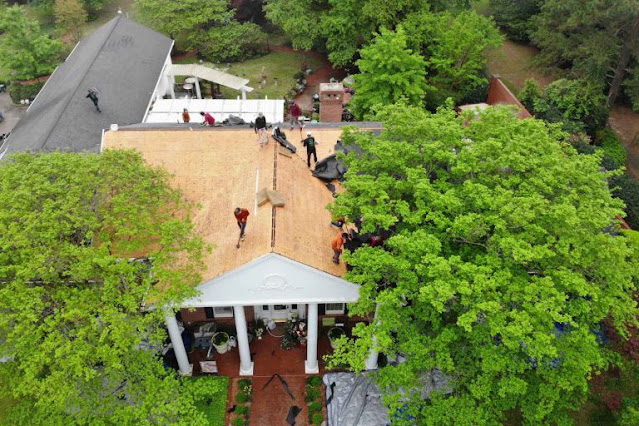
Wet plywood delaminates from the inside. You can walk across it and feel nothing wrong, but drive a roofing nail into delaminated OSB and the head sits proud three days later. Fasteners that do not seat properly let shingles lift at corners when wind comes through.
Calling a qualified residential roofing in Tyler TX contractor means getting a complete tear-off with a flashlight inspection of every sheet before a single new nail goes in. Spongy boards get marked and pulled. Replacement OSB goes in with ring-shank nails, not smooth-shank, because smooth nails back out under thermal movement.
That ten-minute deck inspection saves thousands in blown-off shingles later.
Ridge and Valley Details That Separate Quick Flips From Real Jobs
Storm chasers make their money on volume. A traveling crew can re-shingle six houses in four days if they skip the detail work. Woven valley installation with standard shingles looks fine walking away from the curb. But grit accumulates along the valley centerline, traps moisture, and the decking below rots through long before the shingles show visible damage from the street.
Open metal valleys cost more labor but last decades longer. The same principle applies at pipe boots and chimney saddles. Old lead boots crack after years of UV exposure. New neoprene pipe boots need to seat flat against the shingle surface. A boot that sits even slightly proud over a bump lets wind drive rain under the collar on the north side.

Ridge cap installation catches shortcuts fast. A roofer who hand-cuts standard shingles into ridge cap pieces is saving five minutes per square at the expense of a product designed specifically for peak exposure. Factory ridge cap carries heavier asphalt and stiffer substrate than field-cut pieces.
Why the Attic Inspection Should Happen Before the Estimate
Roofers rarely talk about attic conditions during sales calls. They should. Blocked soffit vents pack insulation against the eave board, stopping cool air from pulling heat out along the ridge. Attic temperatures that routinely push past 140 degrees over summer destroy asphalt shingles from the backside, voiding factory warranties without a single storm event.
A good inspector climbs into the attic first, checks soffit vent openings, confirms ridge vent clearance, and looks for daylight gaps around penetrations. Rafter rot found from inside tells you exactly where the flashing has been leaking before the estimate conversation even starts.

.jpg)
Comments
Post a Comment